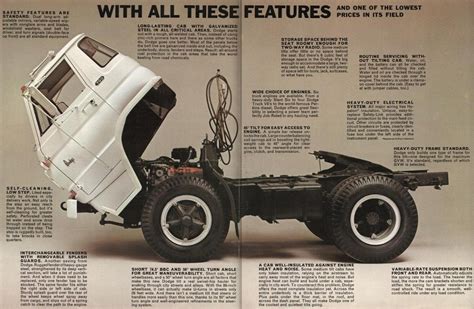
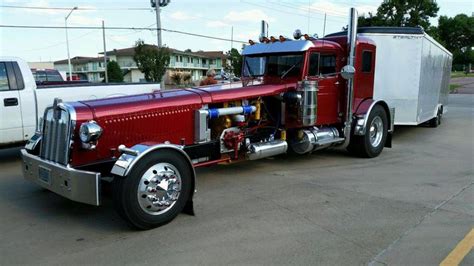
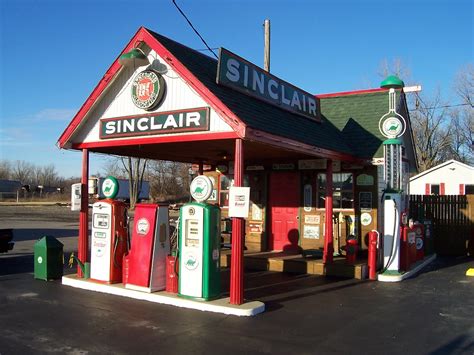
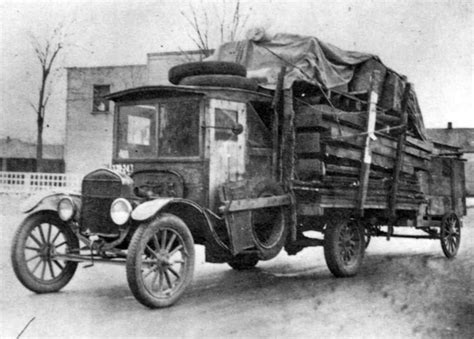
Old Truck Tuesday

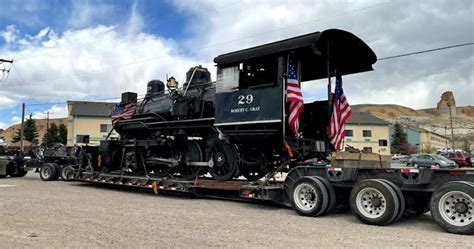
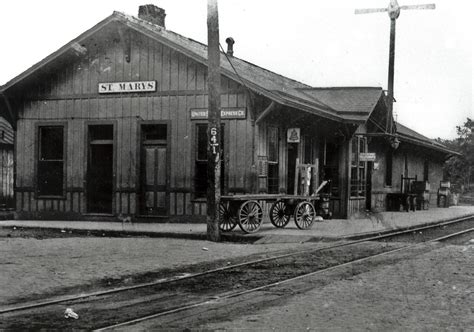
Both pics above by Dennis T… sorry lost them and found them.
DMM sent this in and I updated, he said they are breeding…
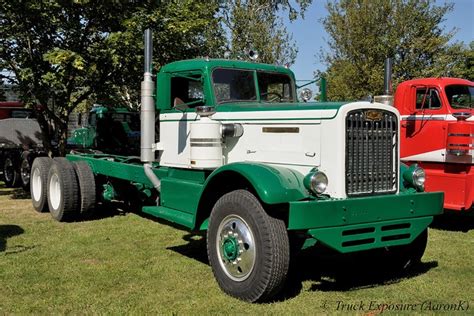
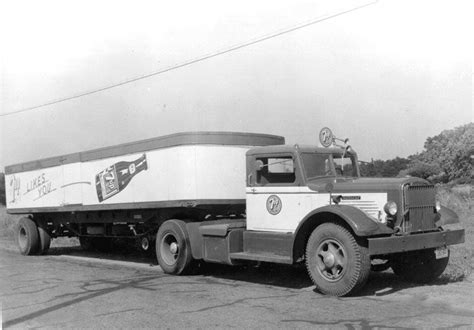
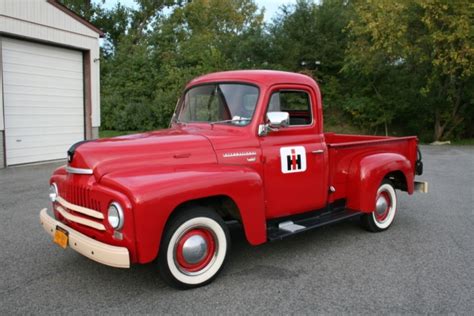
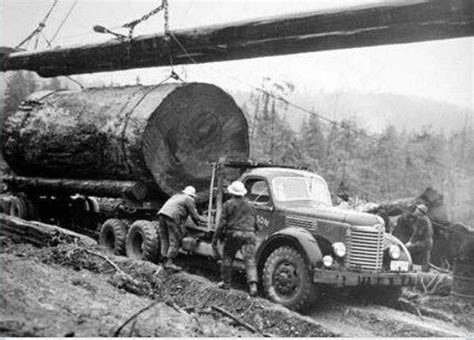
1939 IH D30
1941 IH
1935 IH
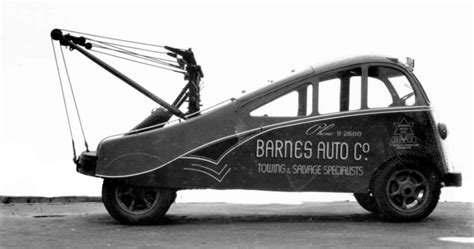
1954
1950 AC DC65T
1954 Chevy Taskforce Moving Van.
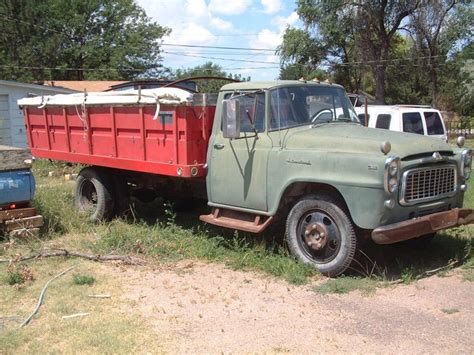
1960 D700
1964 6400
1968 IH 1800
1960 F600
1962
1952
1955
1950 IH COE
1950 AC Logger
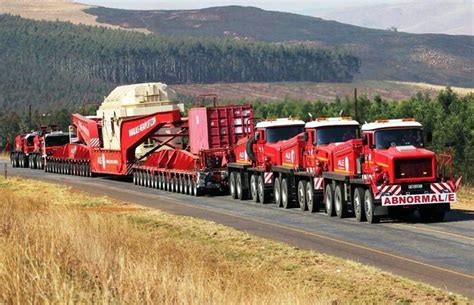
1967

Is the Money in Your Checking Account Yours or the Bank’s?

By Jonathan Newman

Mises.org

October 2, 2023

https://www.lewrockwell.com/

Excerpt from article, I encourage you to read it.
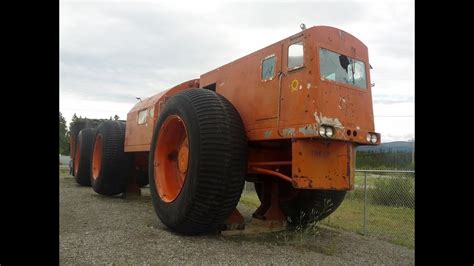
“When Silicon Valley Bank and other banks failed earlier this year, the debate over the sustainability of fractional reserve banking resurfaced. Under fractional reserve banking, banks keep only a fraction of customers’ deposits in reserve. The difference is bank credit, such as government debt, mortgages, business loans, and many other kinds of loans. This practice leaves the bank open to a run, in which panicky depositors attempt to withdraw their funds from the bank en masse but the bank doesn’t have the cash on hand. The following FRED graph gives an idea of the extent of the mismatch between deposits and reserves.”
“With such an agreement, “fractional reserve free banking” proponents say, depositors would know that they are effectively creditors to the bank and that the bank is therefore a debtor to them. This means that the deposits are technically and legally owned by the bank and that what the depositor has is technically and legally a callable loan to the bank. Clear agreements would mean that depositors understand that there is a chance that they won’t be able to get their money (actually, the bank’s money, in this view) immediately in the event of a bank failure. Of course, central banking and government-backed deposit insurance diminish customers’ expectation of bank responsibility—how much should banks be expected to disclose about the deposit relationship if most of their customers’ deposits are guaranteed by the government anyway?

In line with other fractional reserve free banking proponents, George Selgin argues that modern depositor agreements—the dense legalese most people skip—already establish this transparency.”

Take heed and consider this if you have large account balances in a bank. This was planned long before we were most born and just a way in leaner and tumultuous times for those in charge, bankers to transfer that wealth to them. There are several ways to bypass this taking, as low a balance. pulling cash out and leave enough to pay by check your mortgage/rent, utilities and credit. There are other strategies and methods. Find one that works for you and not allow your wealth to disappear.

H/T and pilfered from LL over at Virtualmirage.org