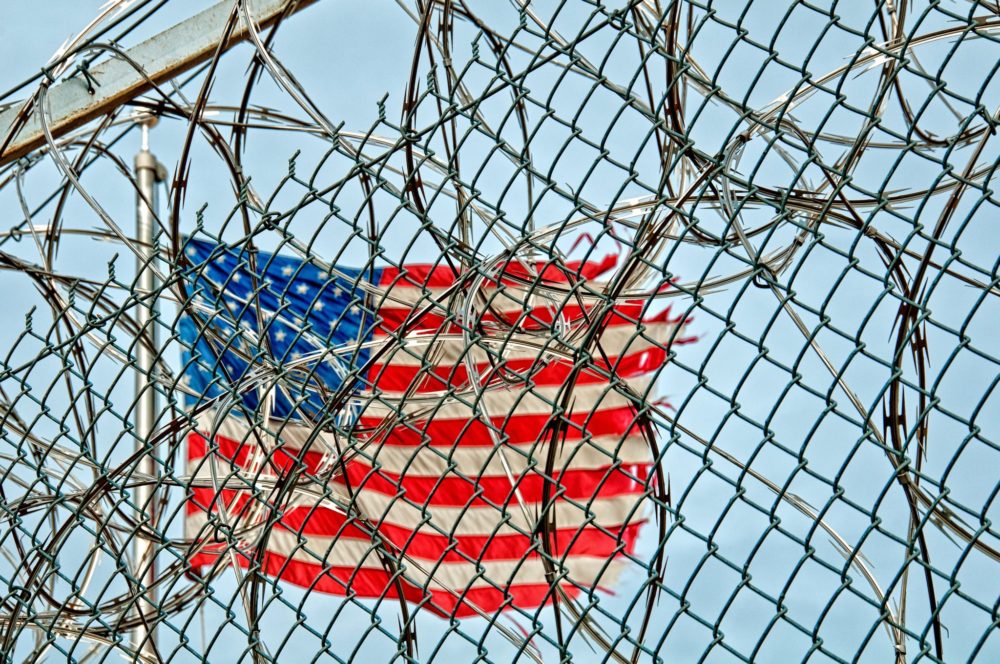
🧐 Have you ever wondered what the tetanus vaccine was for? https://t.co/cSnheOyldx🇺🇸 pic.twitter.com/R3Q1vXwGJe
— “Sudden And Unexpected” (@toobaffled) August 20, 2024
Author Archives: CederQ
The one and only true Kamala… And ((she)) is black.
Kamala (wrestler)
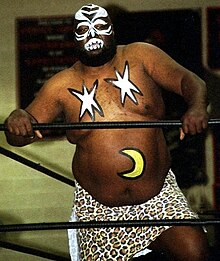
James Arthur Harris (May 28, 1950 – August 9, 2020),[4] better known by his ring name Kamala, was an American professional wrestler. Nicknamed “The Ugandan Giant”, Kamala portrayed a fearsome and simpleminded Ugandan. He wrestled barefoot, clad only in a loincloth, his face painted with war paint and two stars painted on his chest and a moon painted on his stomach. During his ring entrance, he sported an African mask and wielded a spear and shield. He is best known for his appearances with the World Wrestling Federation (now WWE) over the course of numerous runs in the company between 1984 and 1993.
Where do you see yourself in five years? Asked at a recent job interview.
Fun dayssss, eh?
Help the disadvantaged southern invaders…
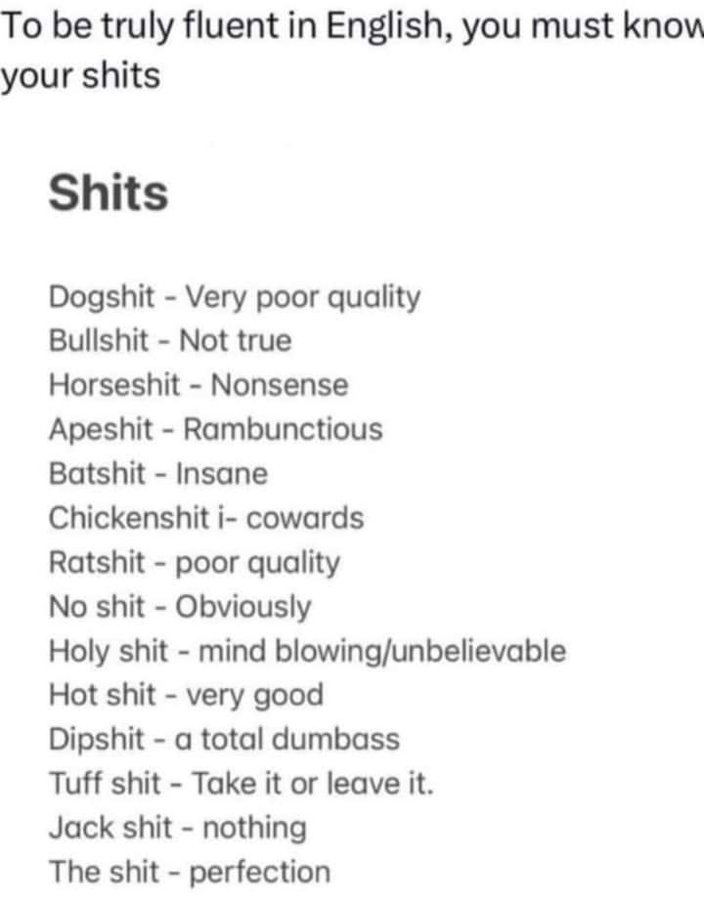
This is in my state of Oregon, me and a whole lot more are ineligible. Great Replacement indeed…
Be very ungovernable!

My next dog…
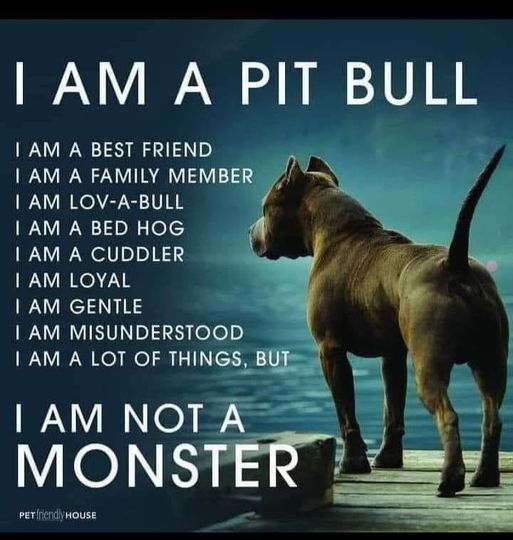
Or the half sheets of paper towels…

Cat would learn quickly what goalposts are…

Just so you know.

You can’t get anymore redneck with a welder than this…

Confusing for us that know what a woman is.
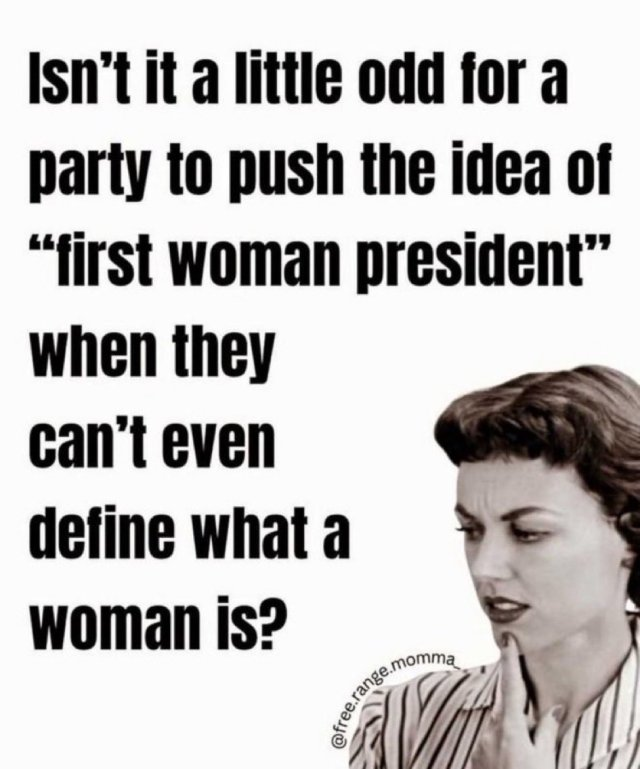
Some men just have that gift…
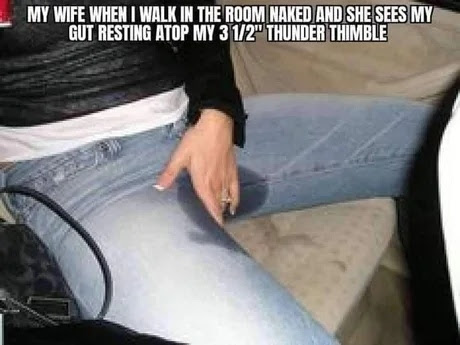
Less than a dollar I can assure you.
